How to Pick a Niagara Falls Tour That Fits Your Trip
Choosing a Niagara Falls tour is less about finding the biggest itinerary and more about matching the day to your time, pace and interests. The falls can be enjoyed in a few focused hours or folded into a full day of nearby stops. The right choice depends on what you want to see, how much walking feels comfortable and whether you prefer a loose plan or a tightly organised route.
Start with the kind of day you want
Before comparing options, decide what role the falls should play in your trip. Some visitors want a straightforward outing centred on the viewpoints, boat ride and a few classic photo stops. Others want a broader day that includes surrounding attractions, historic sites or a meal stop. Both approaches can work well, but they create very different schedules.
Think about your group as well. A family with young children may need shorter walking stretches and clear rest points. A couple looking for a romantic outing may prefer a quieter route with time at the scenic overlooks. A solo traveller might value a simple plan that makes it easy to meet other people without feeling rushed. Once the mood of the day is clear, the rest of the decision becomes much easier.
It also helps to decide whether you want a one-sided view or a route that crosses between the Canadian and American sides. Each side has its own character. The Canadian side is known for broad panoramic views, while the American side offers close-up perspectives and access to islands and cave-related attractions where available. If border crossing is part of the plan, check entry requirements before committing.
Set your time frame before comparing routes
Time is one of the most useful filters. A short visit calls for a focused plan, while a full day allows more breathing room. Work backwards from the hours you actually have, including travel to the falls, time for food and any buffer needed for queues or weather.

A half-day outing usually works best when the main aim is to see the falls from several angles without adding too many extra stops. A full day suits travellers who want a slower pace or a wider circuit. If your schedule is tight, avoid an itinerary packed with distant stops. Extra travel can eat into the time you meant to spend at the water.
Check start and end points carefully. A route that begins near your accommodation may save time, while one that starts elsewhere could require early travel. Also look at whether the route ends in the same place. This matters if you have onward plans, luggage or limited time before dinner.
Read the route in detail, not just the headline
A good itinerary should tell you what happens in plain language. Look for named viewpoints, boat or ride components, walking sections and free time. If the description only lists broad highlights, ask for more detail before choosing. The best plan is one you can picture from beginning to end.
Pay attention to how long each stop lasts. Some tours include brief photo pauses, while others leave enough time to wander and take in the view. If seeing the falls up close is your priority, make sure the route includes enough time at the main attractions rather than spending most of the day in transit.
Season can change the experience. Warmer months often bring busier paths and longer queues, while colder months can limit some activities but create a different atmosphere. Water flow, mist and weather can affect visibility and comfort, so leave room for flexibility. A waterproof layer can be useful near the falls, especially when mist rises over the walkways.
Compare group size and pace
Group size shapes the feel of the day. Smaller groups often allow quicker movement between stops and more direct conversation. Larger groups may feel more structured and can suit travellers who like a clear schedule. Neither option is automatically better. The question is which one matches your tolerance for waiting, noise and social interaction.
Ask how much walking is involved and whether there are steep sections, stairs or long periods standing. Many viewpoints are reachable on foot, but routes vary. If mobility is a concern, look for plans with fewer steps and more chances to sit. A route that sounds short on paper can feel longer when it includes uneven paths or crowded viewpoints.
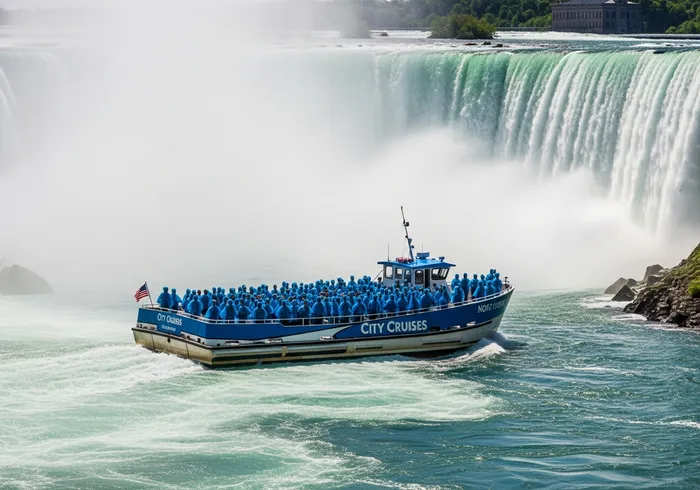
Pace matters just as much. Some itineraries move quickly from stop to stop, which suits travellers who like variety. Others leave more open time, which works better for photography or simply watching the water. If you want both, look for a plan with a few fixed highlights and some unstructured time in the middle.
Check what is included and what is not
Inclusions can change the value of a tour more than the headline suggests. A plan that includes several major activities may reduce the number of separate arrangements you need to make. A simpler route may still be a good choice if you prefer to add stops on your own terms. Read the details with care and note anything that requires a separate ticket or reservation.
Meals, drinks, admission fees, transport between stops and optional activities should be checked before you decide. The Niagara Falls Tour official site is a useful place to check how the day is described, particularly when comparing route details and inclusion notes. If something is unclear, ask before booking rather than assuming it is covered.
Also check the meeting instructions. Look for a clear starting point, arrival time and what to do if you are running late. Good instructions reduce stress on the day and help the group stay on schedule. If the route involves border crossing, confirm which documents are needed and whether all travellers in your group meet the requirements.
Look closely at timing, weather and crowd patterns
The falls are impressive in many conditions, but the practical experience changes with the weather and season. Rain, mist and wind can affect visibility and comfort around the viewpoints. In peak periods, popular stops may be crowded, and queues can take time. A well-planned route accounts for that by leaving some flexibility rather than filling every minute.
If your dates are flexible, compare weekday and weekend patterns. Weekdays can feel calmer, while weekends may suit travellers who need a schedule that fits around work or other plans. Early starts often bring quieter viewpoints, though they require more planning the night before. Late afternoon light can be appealing for photos, but it may leave less room for delays.
When reading reviews or descriptions, focus on comments about pace, organisation and clarity rather than one-off reactions. A repeated note about long waits at a certain stop can be useful. A single complaint about weather is less helpful, since conditions change. If you are comparing several routes, jot down the ones that solve your main concerns, such as less walking, more time at the falls or a simpler meeting point.

Match the choice to your priorities
By this point, the decision should come down to a short list. Compare each option against the same three points: time available, must-see stops and comfort level. A route with fewer stops may be the better choice if it gives you more time at the viewpoints. A longer route may be worth it if the extra locations genuinely interest you.
Niagara Falls Tour can be considered as one name among the options you are reviewing, with the same questions applied to it as to any other plan. Check the details against your own schedule rather than choosing based on a broad impression. If the route fits your pace, your group and the time you have available, it is far more likely to feel like a good use of the day.
Before you settle, read the cancellation and change terms, confirm the meeting point and save the essential details somewhere easy to find. Then plan the small things that shape your comfort: suitable footwear, weather protection, a charged phone for photos and any documents needed for crossing borders. A Niagara Falls tour works best when the practical details are settled in advance, leaving you free to focus on the scale, sound and movement of the falls.